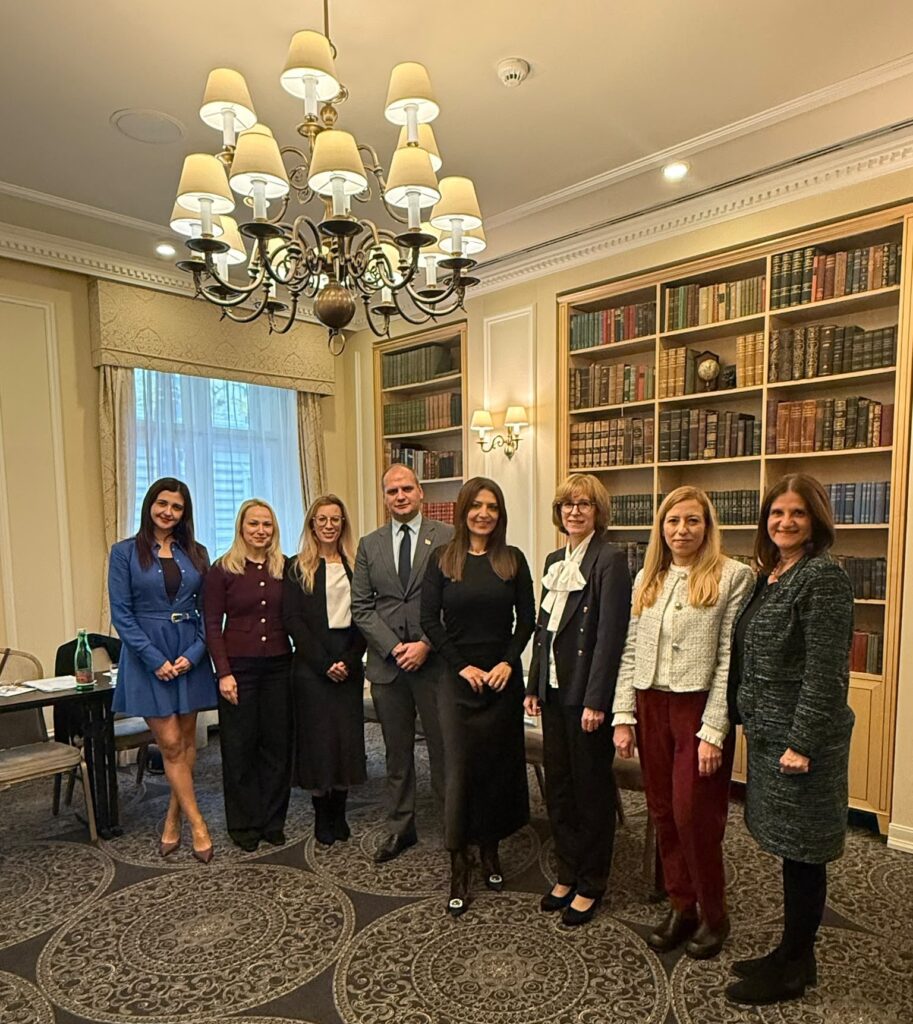

During a study visit to Bratislava on 2-3 November 2026, officials from North Macedonia’s Ministry of Finance and Public Revenue Office learned how Slovakia applies the VAT reverse charge mechanism in construction.
Normally, the company that supplies a service charges VAT and pays it to the tax authority. Under the reverse charge mechanism, the roles switch in certain cases, and it is the customer who accounts for the VAT instead. The rule sounds simple, but in practice it raises many questions. Which construction services does it cover? How are borderline cases judged? What do companies and tax advisors need to know to apply it correctly? North Macedonia’s Ministry of Finance is considering amendments to its VAT Law on exactly this, and turned to Slovakia, which has years of experience with both the rules and their everyday application.
“An enriching experience filled with valuable insights, inspiring discussions and meaningful knowledge exchange. It was a great pleasure to take part in this study visit, learn from our Slovak colleagues’ experience and exchange perspectives on the reverse charge mechanism in the construction sector,” said Dejan Nikolovski, Head of the Unit for Tax Policy in the Field of Indirect Taxation at the Ministry of Finance of North Macedonia.
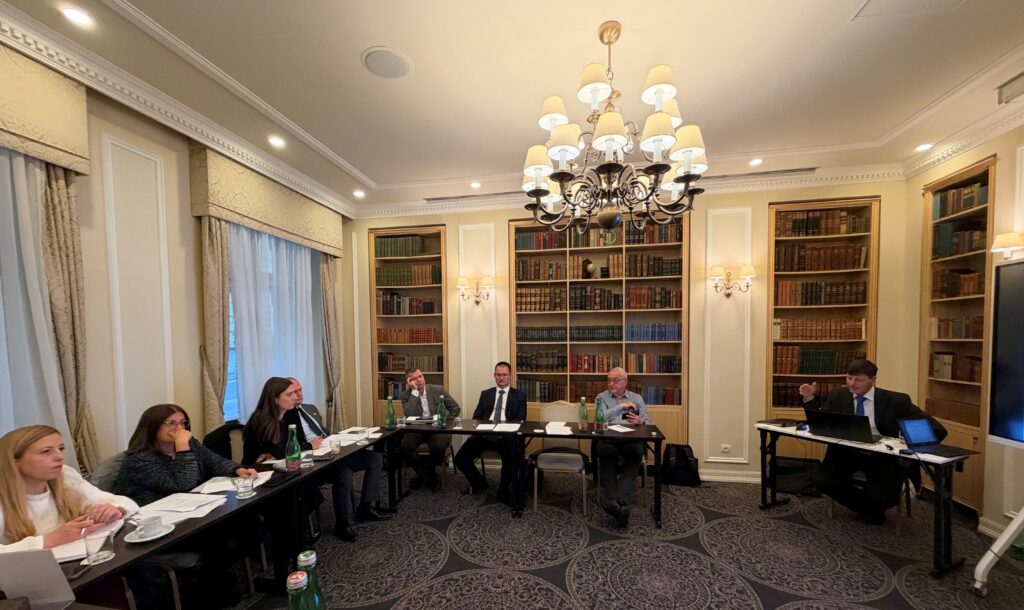
Over two days, four speakers from the Tax and Customs Section of the Ministry of Finance of the Slovak Republic and from the Financial Directorate of the Slovak Republic walked the North Macedonian participants through the whole story.
From EU accession to everyday practice
They started with Slovakia’s EU accession and how it aligned its VAT rules with EU law. They then explained why Slovakia introduced the mechanism in construction in 2015, how the law was prepared with all the stakeholders involved, and which conditions and obligations apply to companies using it. The six presentations also covered the methodological guideline of the Financial Directorate, how the Slovak tax administration supports taxpayers and tax advisors through its call centre and guidance, how Slovakia fights VAT fraud and reduces the VAT gap through tools such as the control statement, risk indicators and analytics, and the latest EU initiative, ViDA (VAT in the Digital Age).
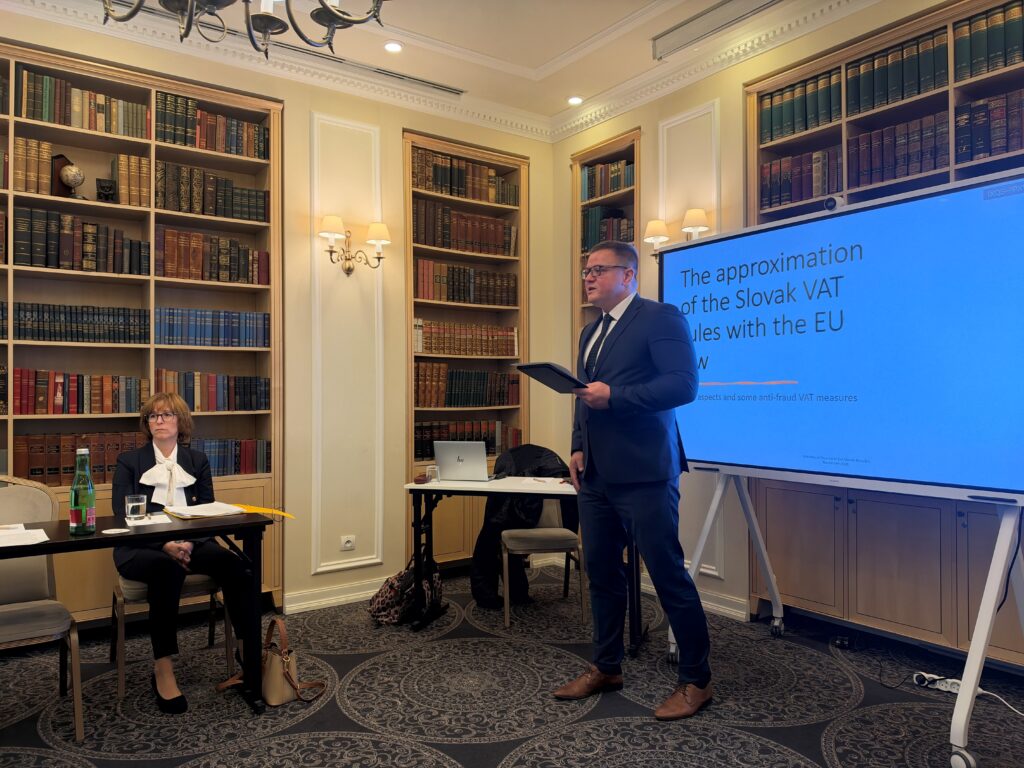
Aligning VAT rules with the EU law
“The presentation of the Slovak e-invoicing model was of particular importance, as the Ministry of Finance and the Public Revenue Office are currently working on introducing an electronic invoicing system. We were also particularly pleased to have the opportunity to collaborate with Slovak tax experts, who generously shared their knowledge and practical experience in the implementation of EU legislation,” noted Violeta Stavrova, Head of the VAT Implementation Department in the Tax and Taxpayer Services Sector at the Public Revenue Office.
The Slovak presentations sparked lively discussion, and the North Macedonian side then took the floor to present its own proposed approach to the reverse charge. This gave the experts a chance to compare it with Slovak experience and talk openly about the challenges that may come with putting it into practice.
“Partnerships create lasting value when shared knowledge helps institutions take the next step in reform. I was pleased to coordinate this visit and to connect our national partners’ priorities with Slovak expertise,” concluded Marija Karaeva, UNDP Project Manager in North Macedonia.
The visit was organised within the long-standing cooperation between the Ministry of Finance of the Slovak Republic, the Ministry of Finance of North Macedonia and UNDP under the Public and Private Finance for Development project.