
Held on 7–9 October 2026 in Bratislava, the study visit built on established regional cooperation, combining Slovak institutional experience with practical exchanges on safeguarding public finances and auditing.
Slovakia has developed valuable experience in performance auditing and audit methodologies, municipal data analytics, public procurement oversight, and competition protection. Around 50 representatives of supreme audit institutions, public procurement and anti-corruption bodies, and UNDP country offices from Albania, Bosnia and Herzegovina, Moldova, Montenegro, North Macedonia and Serbia, as well as of the UNDP Istanbul Regional Hub, came to Bratislava to exchange experience. Over three days, they met the Supreme Audit Office of the Slovak Republic (SAO), the Public Procurement Office and the Antimonopoly Office, and considered how these practices could be adapted to their own national and local contexts.
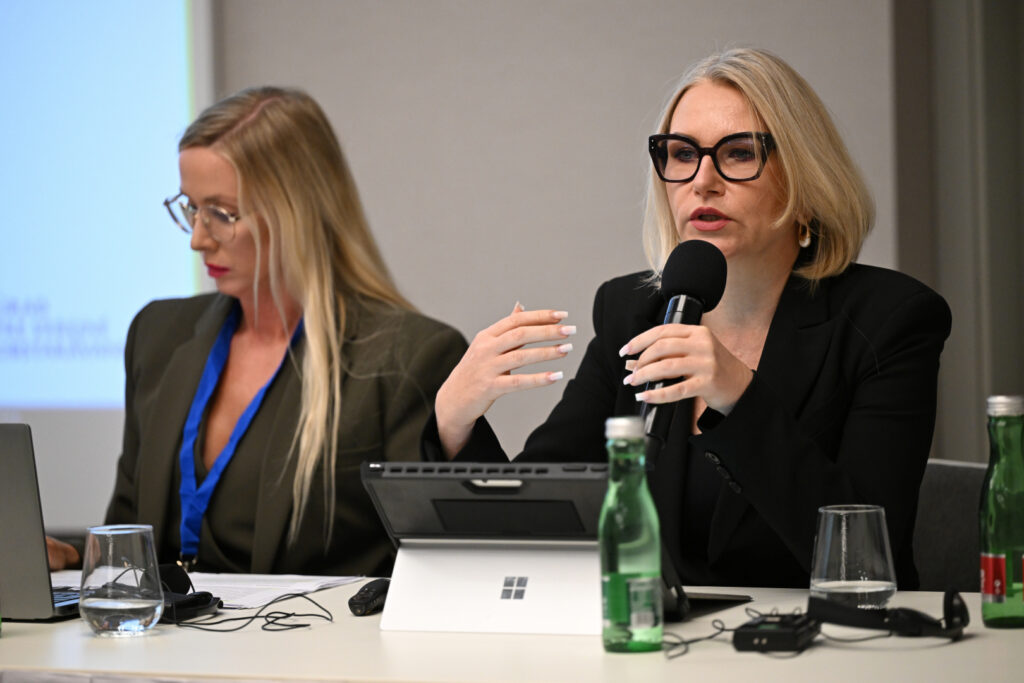
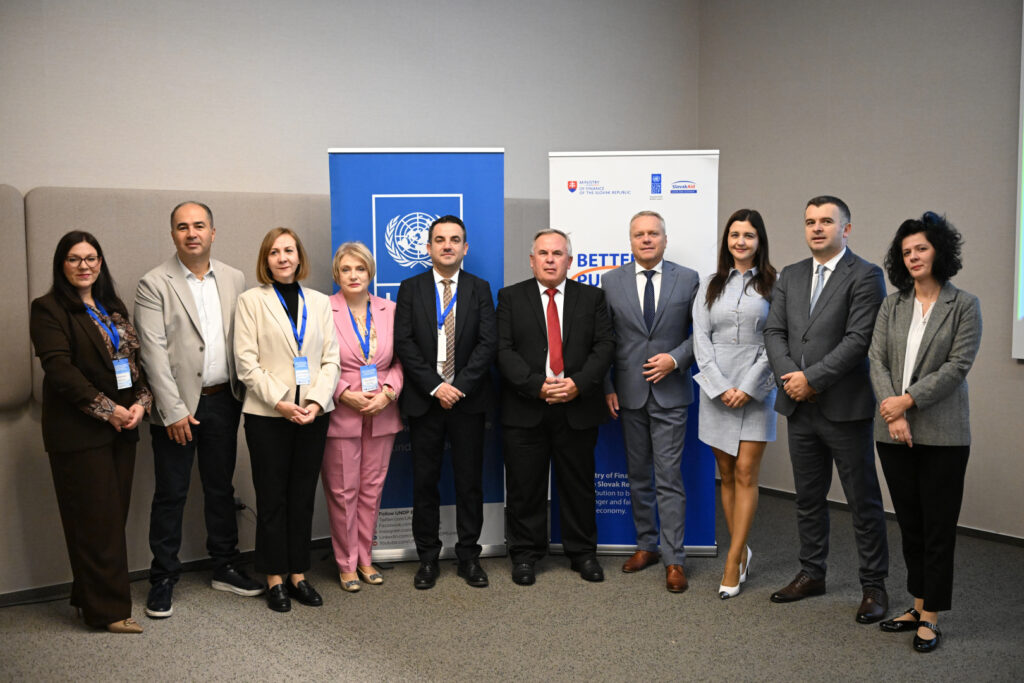
The study visit was organized as part of the regional Smart Finance for Accountable Local Governance project, supported by the Ministry of Finance of the Slovak Republic and implemented by UNDP. “I believe the funds allocated to this project will be used effectively: to generate new knowledge, contribute to a better-functioning society, and support stronger public policies,” said Ľubomír Andrassy, President of the Supreme Audit Office of the Slovak Republic, when welcoming participants. “We need good practices, strong skills and qualified professionals, but above all, we need to have a good heart and willingness to cooperate with each other. That is why we are here: to build not only professional relationships, but friendships.”
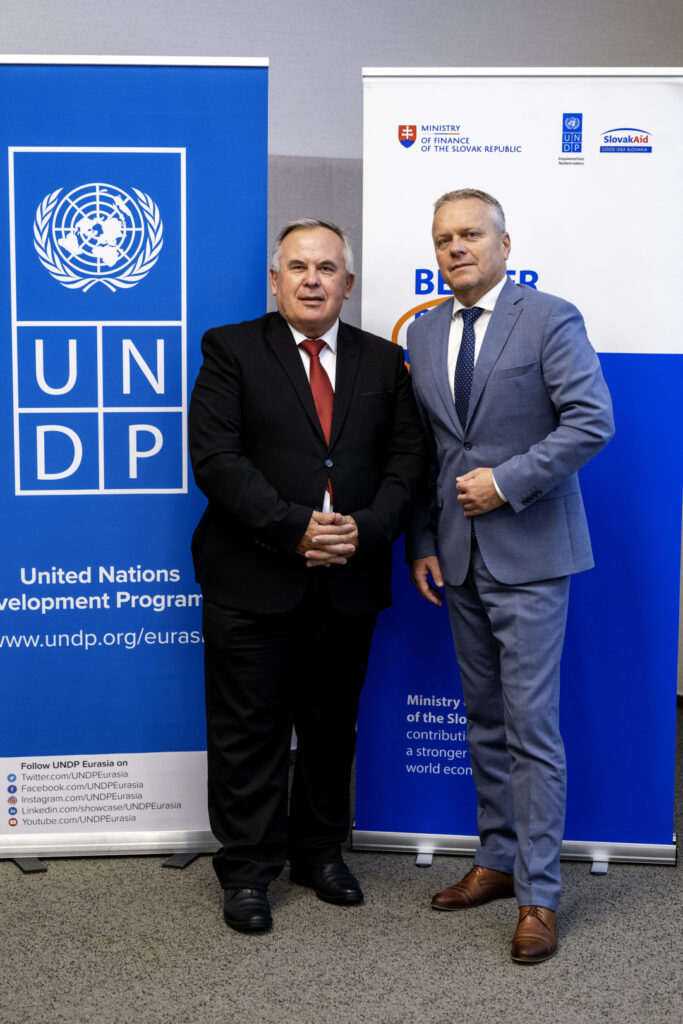
Ľubomír Andrassy and Maksim Acevski
Preventing irregularities before they happen
Local authorities face a set of risks in public procurement, from restrictive technical specifications and non-competitive procedures to conflicts of interest, contract splitting and unjustified amendments. The Public Procurement Office showed how Slovakia addresses them through standardised documentation, methodological guidance and advisory support. The Antimonopoly Office explained how bid rigging works and how to spot it early, from bid rotation and market allocation to unusual similarities between bids, recurring winners and coordinated pricing.
A joint discussion clarified who acts when a procedure shows signs of corruption, fraud or bid rigging, and how information can flow between institutions while each keeps to its mandate. It also covered simple preventive measures that municipalities with limited staff and technical capacity can apply. The main message was that effective oversight is not only about detecting irregularities, but about preventing them through better data, stronger institutions and closer cooperation.
Audit findings that reach citizens
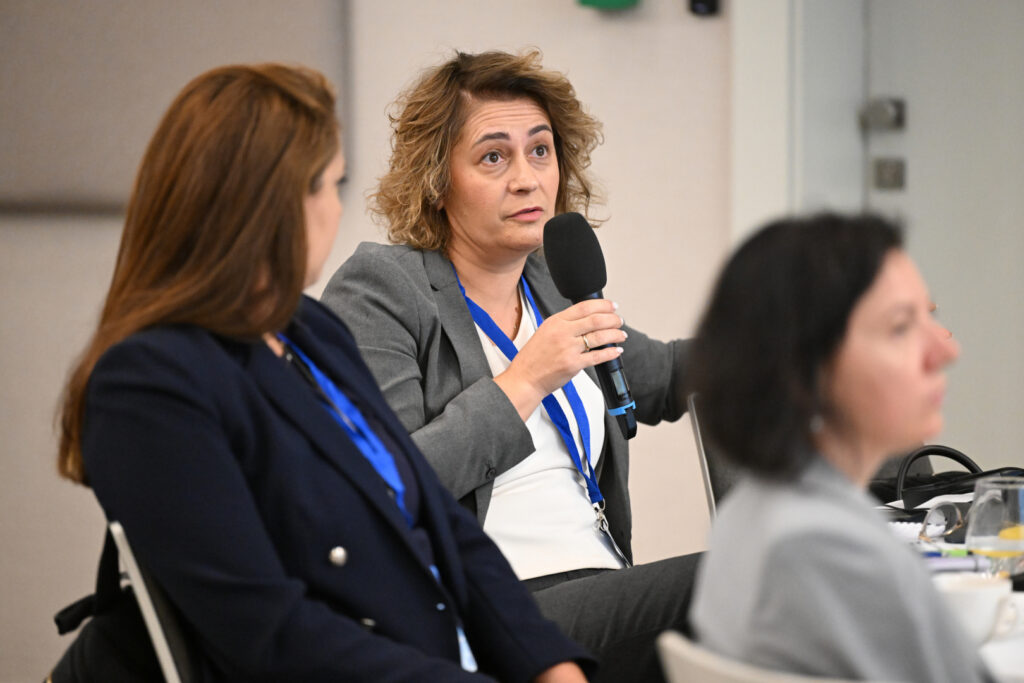
Better data was also at the heart of MuMAP (Municipalities on Map), a web application developed by the SAO for audit planning and risk assessment. MuMAP presents information on municipalities, public resources and audit findings in a form that auditors can use to direct their work where risks are highest, and that citizens can understand and question. Tools such as MuMAP show how innovative digital solutions can go beyond streamlining audit risk management to bridge the gap between institutional oversight and citizens, turning complex public finance data into accessible, actionable insights that strengthen local transparency and build trust. Participants learned how the application was built, how its data is prepared, and how it works in practice.
Building on this, participants discussed practical roadmaps for contextualizing and scaling the methodology to fit each country’s unique institutional framework, digital readiness, and local governance needs. Four experts are already drafting a concept based on learning and shared ownership rather than simple replication. Beyond MuMAP, the SAO also shared its experience in performance auditing, audits of municipal waste management, as well as fraud risk assessment and quality assurance.
From shared methods to a regional network
Building on cooperation already underway through the project, participating institutions discussed how to sustain exchanges and take forward joint work on auditing of the Sustainable Development Goals and procurement integrity. A proposed memorandum of understanding would formalize a regional network that would exchange methodologies, information and tools, support joint training and facilitate cooperation on parallel audits. “I believe that the Memorandum will represent an important step towards greater harmonization and consistency in audit approaches and practices, consistent application of the International Standards of Supreme Audit Institutions, and continuous improvement in audit quality,” said Maksim Acevski, Auditor General of the State Audit Office of North Macedonia. “At the same time, such a network will create opportunities for mutual learning, knowledge-sharing, and the exchange of good practices, as well as for jointly addressing the challenges we face in the audit process by drawing on the experience and achievements of each participating institution.”
For UNDP, the value of the visit lies in connecting this exchange with ongoing work across the six countries. “We are already translating this cooperation into practice through common audit methodologies, parallel audit initiatives and preparations to adapt municipal data tools. The visit helped participating institutions take this work further and strengthen the partnerships needed to sustain it,” concluded Marija Karaeva, the Regional Project Manager from UNDP North Macedonia.